Data Center Construction Safety Risks Teams Often Underestimate
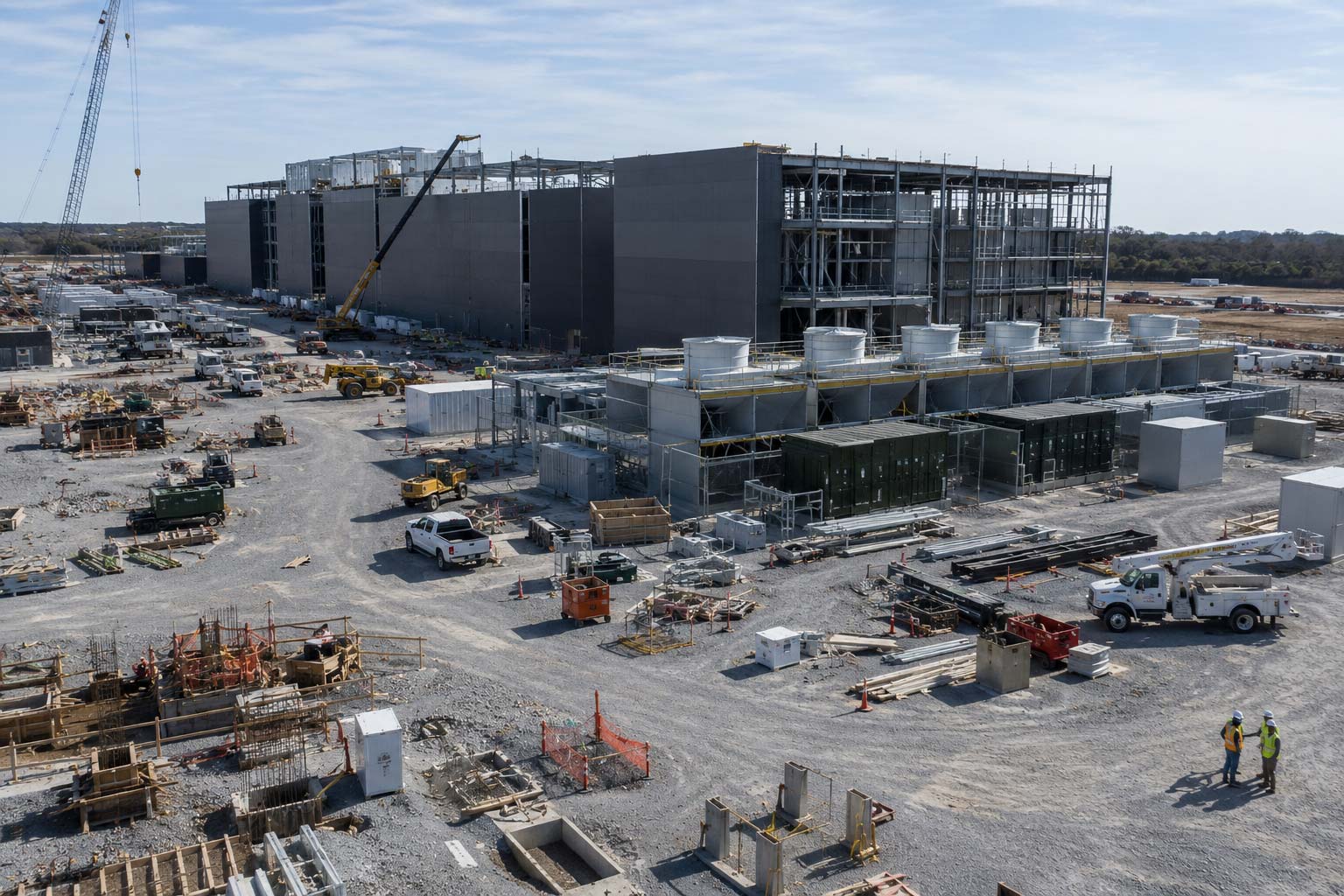
In data center environments, standard construction hazards are often amplified. Common high-risk activities include:
- Energized electrical work and high-voltage installations
- Working at heights during structural and mechanical phases
- Crane operations and rigging in congested site environments
- Hot work and fire prevention near completed systems
- Confined space entry during mechanical and electrical installation
- Startup and commissioning activities running alongside active construction
When multiple trades are working simultaneously in fast-moving environments, even small breakdowns in communication or oversight can create significant exposure. The consequences extend beyond worker injuries and include costly schedule delays, operational interruptions, increased liability exposure, regulatory scrutiny, and reputational damage.
Why Owners Are Raising EHS Expectations
As projects become larger and more complex, owners and hyperscalers are placing increased focus on contractor safety performance and EHS maturity. Today, many organizations expect dedicated onsite safety professionals, strong contractor management systems, real-time reporting and audits, high-risk work permitting, leading indicator tracking, detailed training programs, and consistent field presence. For many contractors and consulting firms, EHS performance has become a key differentiator during procurement and prequalification. Strong safety performance is no longer a “nice to have” — it is directly tied to project delivery, operational continuity, and long-term client relationships.
Environmental Compliance in Data Center Construction
Worker safety is only part of the equation. Data center projects also face growing environmental compliance pressures related to air permitting, fuel storage systems, stormwater management, spill prevention, waste management, energy infrastructure development, and sustainability initiatives. Organizations must navigate complex federal, state, and local requirements while maintaining aggressive construction schedules. Failing to address environmental requirements early can create costly delays, redesigns, and enforcement issues later in project execution.