Compliance Management International
Environmental Management Services
Environmental compliance consulting for permits, sampling, waste, and reporting. Credentialed CMI professionals keep your facility compliant and inspection-ready.
- Permitting
- Air emissions
- Stormwater
- Wastewater
- Hazardous waste
- Site investigations
- ESG & energy
Or call 1-800-701-9369
- 30+ years in EHS
- CSPs, CIHs, and PEs
- 95% client retention
What CMI keeps on track
- Air permit conditions Current
- SWPPP inspections Complete
- Hazardous waste manifests Filed
- Tier II chemical report Due Mar 1
- Regulatory changes Monitored
What we do
Our Environmental Services
Select a service to see how CMI can help.


The basics
What Is Environmental Management?
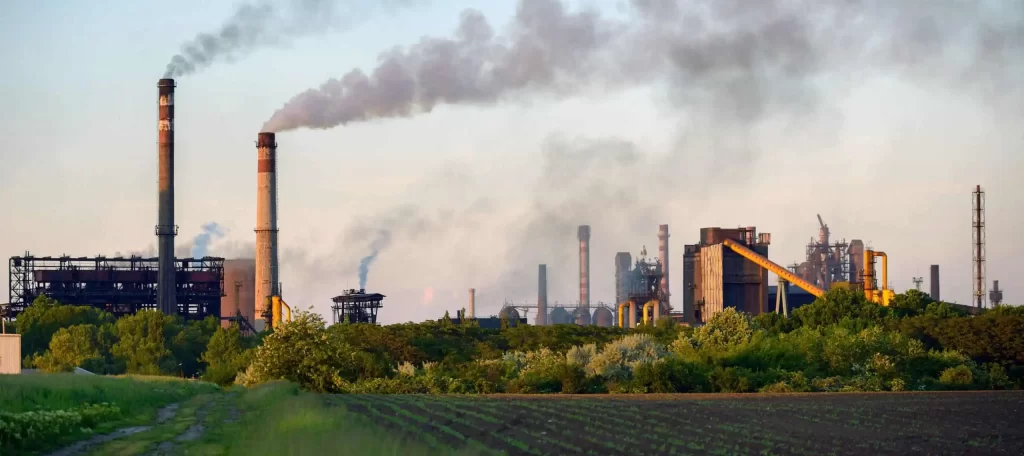
Environmental management means knowing which environmental rules apply to your facility, getting the right permits and plans in place, and keeping up with the monitoring and reports they require. Done well, it keeps you compliant and ready for any inspection. CMI has helped facilities do this for more than 30 years.
You likely need support if your facility has:
- Air emission sources like boilers or paint booths
- Stormwater or process wastewater discharges
- Hazardous waste, in any amount
- Chemicals or fuel stored on site
Why it matters
What Noncompliance Can Cost
Maximum EPA civil penalties, per violation, per day.
$124,426 / day
Clean Air Act violations
$93,058 / day
Hazardous waste (RCRA) violations
$68,445 / day
Clean Water Act violations
Source: EPA civil penalty schedule, 40 CFR 19.4. State penalties can add more.
FAQ
Common Questions
Quick answers for facility and EHS managers. Don’t see yours? Ask us.
It depends on what you emit, discharge, store, and generate. Most industrial sites fall under the Clean Air Act, Clean Water Act, RCRA, and EPCRA, plus state and local rules. A CMI applicability review tells you exactly what applies.
Many industrial facilities do. Under the Clean Water Act’s NPDES program, regulated industries generally need permit coverage and a Stormwater Pollution Prevention Plan (SWPPP). Requirements vary by state.
Federally, by how much hazardous waste you generate each month: 100 kg or less is a very small quantity generator, under 1,000 kg is a small quantity generator, and 1,000 kg or more is a large quantity generator. Acute waste and some states set lower limits (EPA).
It depends on your facility and the scope of work. CMI quotes projects up front, and ongoing support comes at one predictable cost. Request a free quote.
Yes. Along with one-time projects, CMI’s Environmental Partnership gives you a dedicated advisor and a compliance calendar all year.
Not Sure Where to Start?
Tell us about your facility. A CMI environmental expert will point you in the right direction.
Or call 1-800-701-9369