The Pennsylvania Department of Environmental Protection’s (PADEP) Management of Fill Policy provides a clear framework for determining how soil or other material, referred to as fill, may be moved, reused, or placed without being classified as waste. This policy is essential because it ensures that fill materials do not introduce contamination to a property or worsen existing environmental conditions. Since soil movement is common in construction, redevelopment, infrastructure work, and industrial activities, the policy plays a critical role in environmental protection and regulatory compliance across the state.
The policy applies broadly to excavation projects, brownfield redevelopment, transportation improvements, grading activities, and situations where soil is transported from one property to another. PADEP identifies two main categories of fill: Clean Fill and Regulated Fill. Clean Fill contains no contaminants above statewide health standards and can be reused with minimal restrictions. Regulated Fill contains contaminants above clean-fill thresholds but below regulatory limits, allowing reuse under additional controls and oversight. This classification system ensures that soil is handled properly and that potentially contaminated material does not migrate into unintended areas.
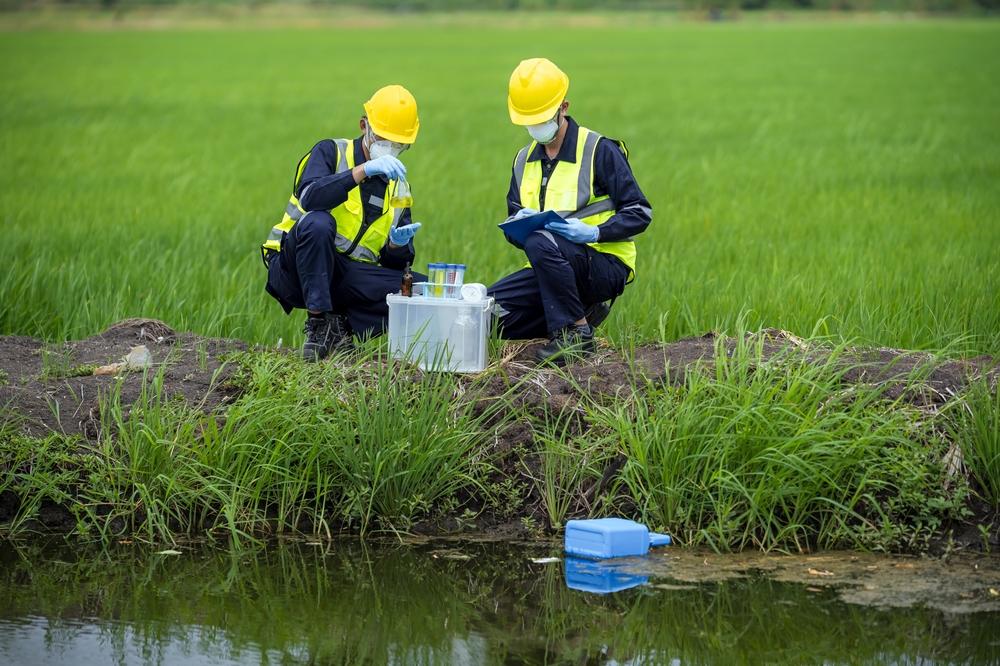
Before any soil can be moved or reused, the policy requires that the generator conduct proper characterization. Characterization begins with due diligence, which includes reviewing historical site use, identifying potential contamination sources, and visually examining soil conditions. If due diligence indicates that contamination may exist, sampling and laboratory analysis must be performed. Laboratory requirements vary depending on site history, the type of contaminants that may be present, and the volume of soil involved. Analytical testing often screens for metals, petroleum hydrocarbons, volatile organic compounds, and other substances that may pose health or environmental risks.
To qualify as Clean Fill, the material must meet either the Used Aquifer Statewide Health Standard for soils or the Residential standard when aquifer data is not available. If all contaminants fall below these levels, the material can be used without a permit. However, documentation is still required. A Clean Fill Certification Form must be completed and retained, and PADEP may require notification for certain projects. Maintaining this documentation is essential for proving compliance, especially during site audits or future property transactions.
If contaminants exceed clean-fill limits but remain below regulated-fill thresholds, the soil may be classified as Regulated Fill. Regulated Fill requires additional controls to ensure it does not create exposure risks. Reuse must occur under a Beneficial Use General Permit known as WMGR097. This permit requires tracking and documentation, detailed recordkeeping, engineering controls that limit exposure, and placement restrictions that prevent the material from being used in sensitive locations. Reporting to PADEP is also required to demonstrate compliance with the permit conditions. If contaminants exceed regulated-fill thresholds entirely, the material must be managed as waste according to the Solid Waste Management Act.
Recordkeeping is one of the most important components of the policy. Anyone generating, transporting, or receiving fill is responsible for maintaining sampling plans, laboratory results, due diligence documentation, shipping records, certification forms, and any PADEP permits or approvals. All records must be readily available for inspection. Proper documentation reduces liability, protects the property owner, and ensures that future environmental reviews can verify compliance.
Several common project scenarios fall under this policy. Moving soil on the same property is generally allowed as long as the activity does not increase environmental risk. Importing fill from another site requires Clean Fill documentation or a regulated-fill permit if contaminants exceed clean-fill limits. Redeveloping industrial properties requires comprehensive sampling and documentation, as these sites often contain historical contamination that must be evaluated before soil can be reused or relocated.
The Management of Fill Policy provides clarity and consistency for handling soil materials. It protects groundwater and surface water, prevents contamination from spreading between properties, and reduces long-term liability for developers, contractors, and landowners. By understanding and following the policy requirements, organizations can make informed decisions about soil reuse, maintain regulatory compliance, and support environmentally responsible development throughout Pennsylvania.