EHS Insights
Blog Article
Slips, Trips, and Falls: Safer Walking-Working Surfaces
Slips, Trips, and Falls: Creating Safer Walking-Working Surfaces
By Anthony Palma
Slips, trips, and falls are among the most common workplace safety hazards, affecting employees across all work industries.
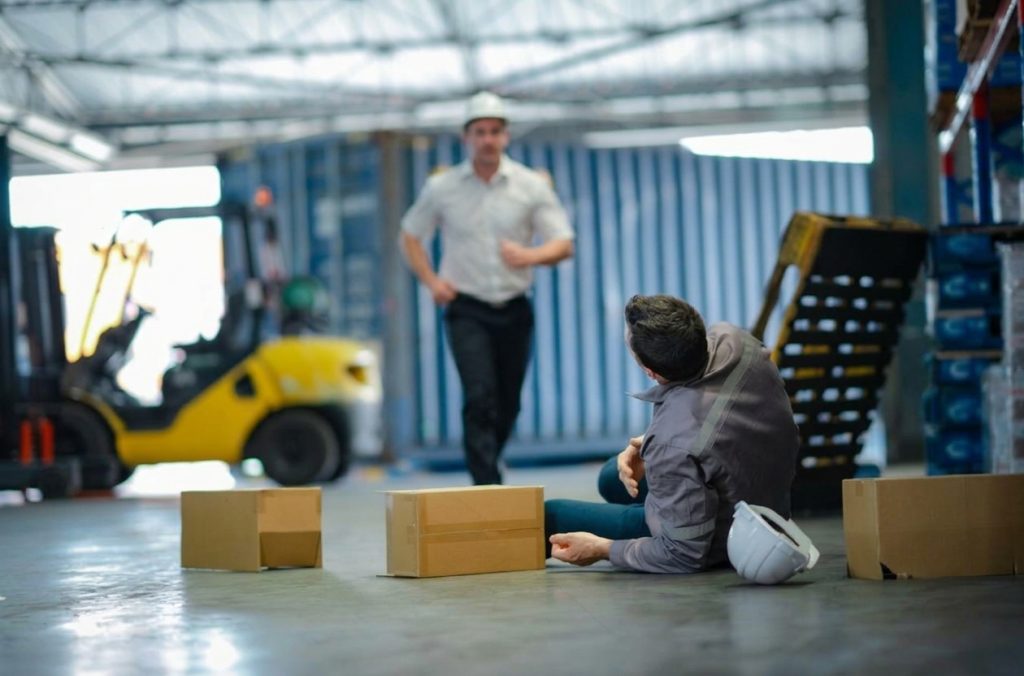
Whether caused by a wet floor, an obstructed walkway, ladders, or an unprotected elevated surface, these incidents can result in serious injuries, lost time, increased workers’ compensation costs, and operational disruptions.
The good news is that many of these incidents are preventable through effective hazard recognition, routine inspections, and proactive safety management.
Why Slips, Trips, and Falls Still Matter
844
Workers in the U.S. died from falls, slips, and trips in 2024, according to the Bureau of Labor Statistics.
4 ft
The height at which OSHA’s general industry rules require fall protection at an unprotected side or edge.
Subpart D
The part of 29 CFR 1910 that covers walking-working surfaces.
Recognizing Walking-Working Surface Hazards
Walking-working surfaces include floors, aisles, stairs, ramps, platforms, walkways, and other surfaces employees use to move throughout the workplace or perform their jobs. Identifying hazards before an incident occurs is a critical component of an effective safety program.
Employees and supervisors should routinely inspect walking and working areas, report unsafe conditions, and address hazards promptly. OSHA’s general requirements for walking-working surfaces, 29 CFR 1910.22, call for regular inspections and for hazardous conditions to be corrected or guarded before anyone uses the surface again.
Where to Look First
- High-traffic areas
- Loading docks
- Stairways
- Entrances
- Locations where spills may be common
Controlling Hazards Before an Incident Occurs
Recognizing hazards is only the first step. Employers should establish consistent procedures to eliminate or reduce risks. Housekeeping habits and physical controls both play a part, and both can significantly reduce the likelihood of slips and trips.
Housekeeping Habits
- Maintaining good housekeeping
- Keeping aisles and exits clear
- Cleaning spills immediately
- Securing cords and hoses
- Repairing damaged floors
Physical Controls
- Installing appropriate slip-resistant surfaces
- Improving lighting
- Maintaining handrails
- Providing guardrails and hole covers
- Implementing procedures for snow and ice removal
Where an unprotected side or edge is 4 feet or more above a lower level, OSHA requires guardrails, safety nets, or personal fall protection.
Routine inspections and preventive maintenance help identify developing problems before they lead to injuries.
Training and Follow-Through
Employee training is equally important. Workers should understand how to:
- Recognize hazards
- Select appropriate footwear
- Use designated walkways
- Report unsafe conditions
Training is also a requirement under 29 CFR 1910.30 for employees who use personal fall protection systems or are otherwise required to be trained under Subpart D.
Supervisors should ensure corrective actions are completed and that recurring hazards are investigated rather than repeatedly addressed with temporary fixes.
How CMI Can Help
Developing an effective walking-working surface safety program can be challenging. Compliance Management International (CMI) can help businesses identify deficiencies, prioritize corrective actions, and establish procedures that support a safer workplace.
Safety Audits
- Identify hazards in the workplace
- Provide recommendations to control each hazard and prevent injuries
- Find unguarded elevated surfaces, obstructed walkways, general trip hazards, and faulty ladders
Written Procedures
- Drafted and maintained by CMI
- Cover inspections, housekeeping, hazard reporting, and fall prevention
Training
- Fall prevention and many other topics
- Improves hazard awareness
- Reinforces safe work practices
In Summary
The Takeaway
A safer workplace starts with identifying hazards before they cause injuries.
By combining routine inspections, effective controls, employee involvement, and professional safety guidance, employers can reduce risk, protect their workforce, and strengthen their overall safety culture.
Walking-Working Surface Resources
Want a Second Set of Eyes on Your Walking-Working Surfaces?
For more information, reach out to Compliance Management International. We can help you find deficiencies, prioritize corrective actions, and put procedures in place for a safer workplace for your employees.