EHS Insights
Blog Article
Your Safety Metrics Look Great – So Why are Incidents Still Happening?
Your Safety Metrics Look Great — So Why Are Incidents Still Happening?
By Anthony (Tony) Palma
A low TRIR feels like proof that your safety program is working. But when near misses, hazardous conditions, and incidents keep happening beneath a strong-looking number, the metric isn’t telling you the whole story — your culture is.
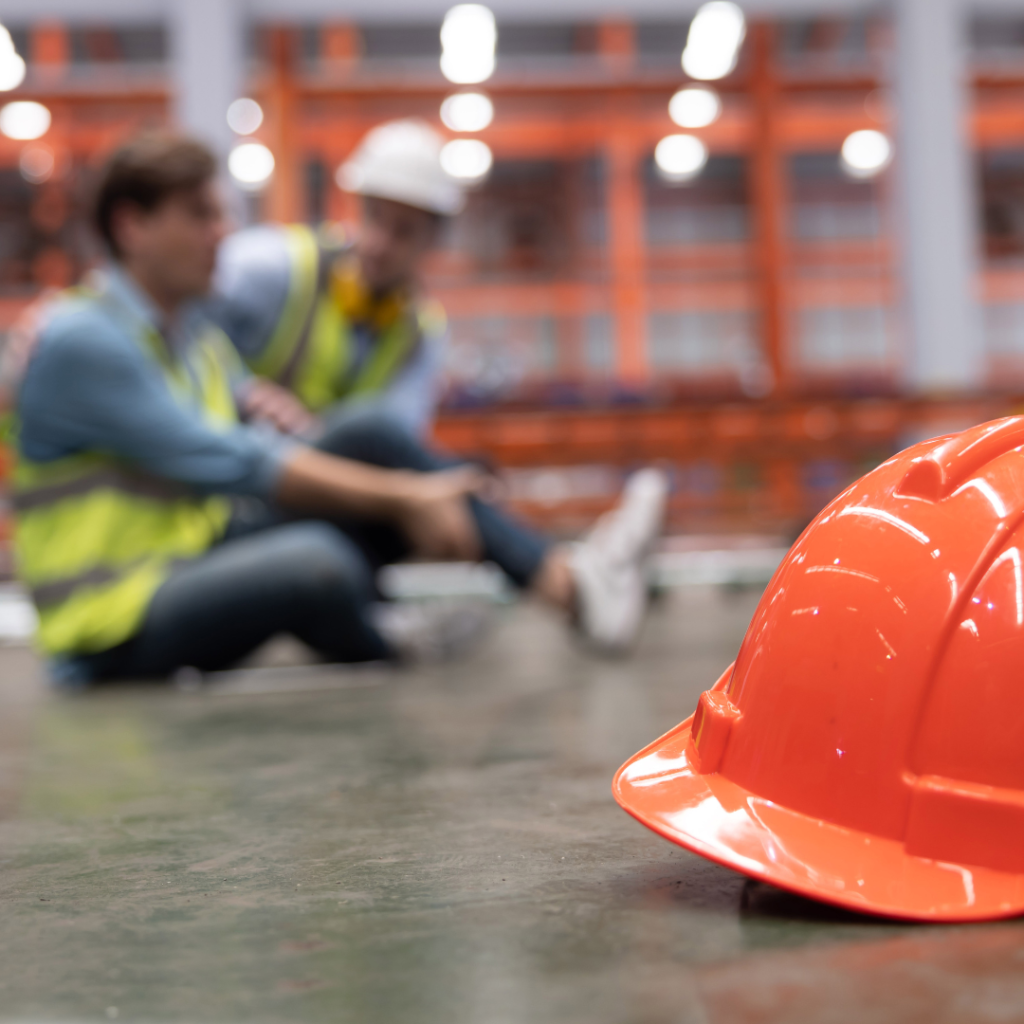
For many organizations, safety performance is measured by a familiar set of numbers. Total Recordable Incident Rate (TRIR), lost-time injuries, and workers’ compensation claims are often the primary indicators used to determine whether a company is operating safely. When those metrics trend downward, it’s easy to assume that safety performance is improving.
But what happens when the numbers look excellent, yet incidents, near misses, and hazardous conditions continue to occur? This phenomenon is more common than many organizations realize. While these safety metrics provide valuable insight, they don’t always tell the complete story — and companies focused solely on lagging indicators may unknowingly overlook the cultural and operational issues that create risk long before an injury occurs.
The Total Recordable Incident Rate remains one of the most widely recognized safety performance indicators. It provides a standardized method of comparing injury rates across organizations and industries, and a low TRIR is certainly positive — it can indicate effective hazard controls, employee engagement, and strong safety programs.
However, TRIR measures only recordable incidents that have already happened. An organization can maintain a low TRIR while serious risks grow beneath the surface. TRIR doesn’t illustrate:
- How many serious hazards were identified through inspections
- How many near misses occurred
- Whether employees are comfortable reporting safety concerns
- Whether unsafe behaviors, conditions, or actions are increasing
- Whether management is receiving accurate information, or underreporting is occurring
Lagging vs. Leading Indicators
Many companies naturally gravitate toward lagging indicators because they are easy to measure. Leading indicators take more effort to track — but they’re what give you the chance to intervene before an injury happens.
Lagging Indicators
TRIR, workers’ compensation claims, lost-time injuries, and OSHA recordables — they only track events that have already occurred.
Leading Indicators
Safety observations, near-miss reports, hazard IDs, training participation, and closed corrective actions — they flag risk before someone gets hurt.
Leading indicators provide early warning signs that can identify potential hazards in your workplace. An increase in reported near misses or safety observations may reveal a recurring issue that can be corrected before an injury occurs. When employees actively participate in safety observations and hazard reporting, patterns such as equipment deficiencies or unsafe actions and behaviors can be identified and controlled before they lead to a serious injury.
5 Leading Indicators Worth Tracking
Tracking these activities gives you the opportunity to intervene before an incident occurs, instead of only counting what’s already happened.
1
Safety Observations Completed
Routine, structured observations show whether safe behaviors and conditions are actually being maintained day to day, not just at inspection time.
Track observation counts monthly and follow up on every flagged item within 48 hours.
2
Near Misses Reported
A rising number of reported near misses isn’t a red flag on its own — it often means employees trust the process enough to speak up before someone gets hurt.
Make reporting simple and blame-free so issues surface early instead of staying hidden.
3
Hazards Identified in Inspections
Consistent hazard identification points to an engaged workforce and an inspection program that’s actually finding issues, not just checking a box.
Log every hazard found, assign an owner, and track time-to-close.
4
Safety Training Participation
Attendance and engagement in training reflect how well employees understand site-specific hazards, procedures, and their own role in preventing incidents.
Review training records alongside observation and near-miss data, not in isolation.
5
Corrective Actions Closed & Safety Suggestions Made
How quickly identified issues get resolved — and whether employees are willing to suggest improvements — is one of the clearest signals of a healthy safety culture.
Set target close-out timelines and report on open vs. closed actions at every safety meeting.
Why Safety Culture Matters More Than the Number
An organization’s safety culture cannot be captured by TRIR alone. Consider two companies with identical TRIR values. Company A focuses on leading indicators — encouraging reporting, investigating every near miss, and rewarding hazard identification. Company B discourages reporting, focuses heavily on injury-free milestones, and places significant pressure on maintaining low incident rates.
Their TRIR may look identical, but the actual risk level at Company B remains much higher than at Company A. Employees proactively report issues when they trust leadership and feel that management truly values their health and safety. When they fear consequences or sense pressure to keep incident rates low, critical information stays hidden — until someone ultimately gets hurt.
Two companies. One identical TRIR. Very different levels of hidden risk.
Same Number, Different Risk
Company A
- Encourages open reporting
- Investigates every near miss
- Rewards hazard identification
Company B
- Discourages reporting
- Chases injury-free milestones
- Pressures a low incident rate
Safety Culture & Leading Indicator Resources
Need Help Building a Stronger Safety Culture?
At Compliance Management International, we help organizations look beyond compliance and injury statistics to uncover the cultural, operational, and behavioral factors that truly influence workplace safety — strengthening both your systems and your culture so every employee has the confidence to identify and report hazards.