Blog Article

Hazard Communication

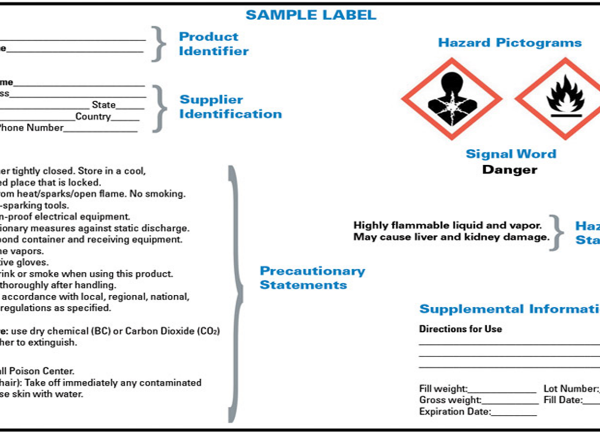
When we think of the Hazard Communication standard, our first thoughts are probably labels and safety data sheets (SDSs).  These are the two ways that the hazards of a chemical are conveyed to employees.  They are also where we get the information needed to protect ourselves from the chemical when we use it.  The Globally Harmonized System (GHS) provides the framework for both labels and SDSs.

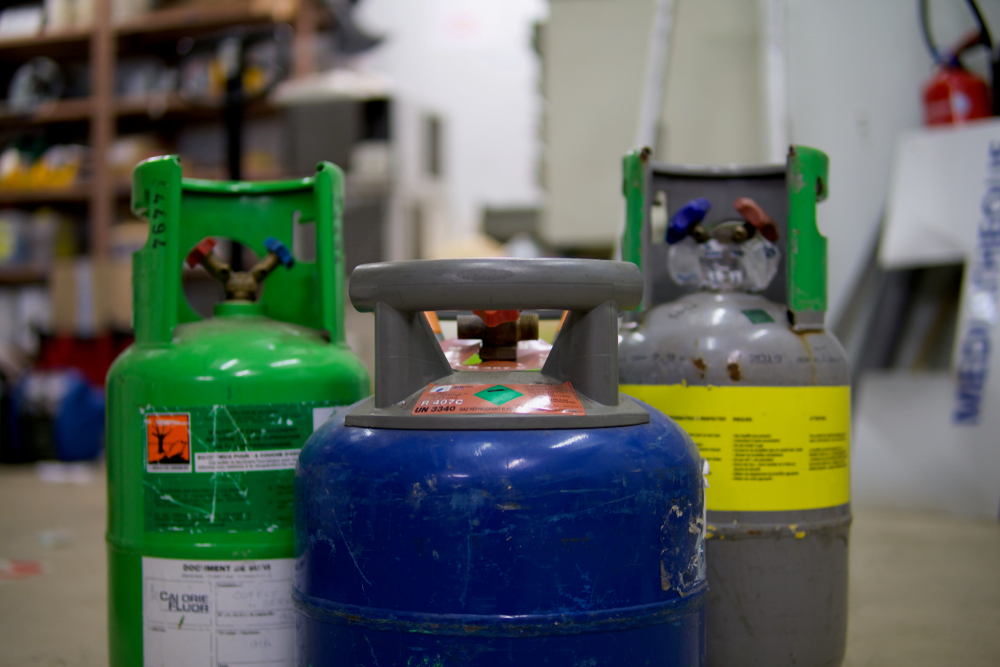
Labels are a condensed listing of the hazards of that chemical.  The GHS sets the standard for what information is required to be on the label.  All chemical containers from the manufacturer are required to have a GHS compliant label on them.  However, we often transfer some of the chemical into a smaller, secondary container.  We must apply a label to these as well.
The SDS gives a detailed description of the chemical and each company is required to maintain an SDS for each hazardous chemical they use.  These SDSs must be available to the employees.  In addition, the company is required to MAINTAIN their SDS library.  This means that the company must have a system to regularly update the SDSs, ensuring that they have the most current version available.

If you use hazardous chemicals, you are required to have a Hazard Communication Policy, which shows how you will communicate these hazards to your employees.  You must also train your employees annually on this policy.

If you need assistance establishing a Hazard Communication Policy or training your employees feel free to contact CMI.

Instagram
LinkedIn
TikTok

Related Articles

Why Machine Guarding Isn’t Optional

Recent Changes to 40 CFR Part 82

Why Are Phase I ESAs Important For Manufacturing and Industrial Companies

Contact Us
Contact Us

Send Us an Email

Name(Required)