Blog Article

Stormwater Compliance: 7 Mistakes That Lead to EPA Violations

EHS Insights

Stormwater Compliance: 7 Mistakes That Lead to EPA Violations

Industrial stormwater violations can trigger EPA penalties of up to $64,618 per day. Here are the seven recurring mistakes that most often lead to enforcement, and the practical steps that keep your site off the inspector’s list.
stormwater-permitting

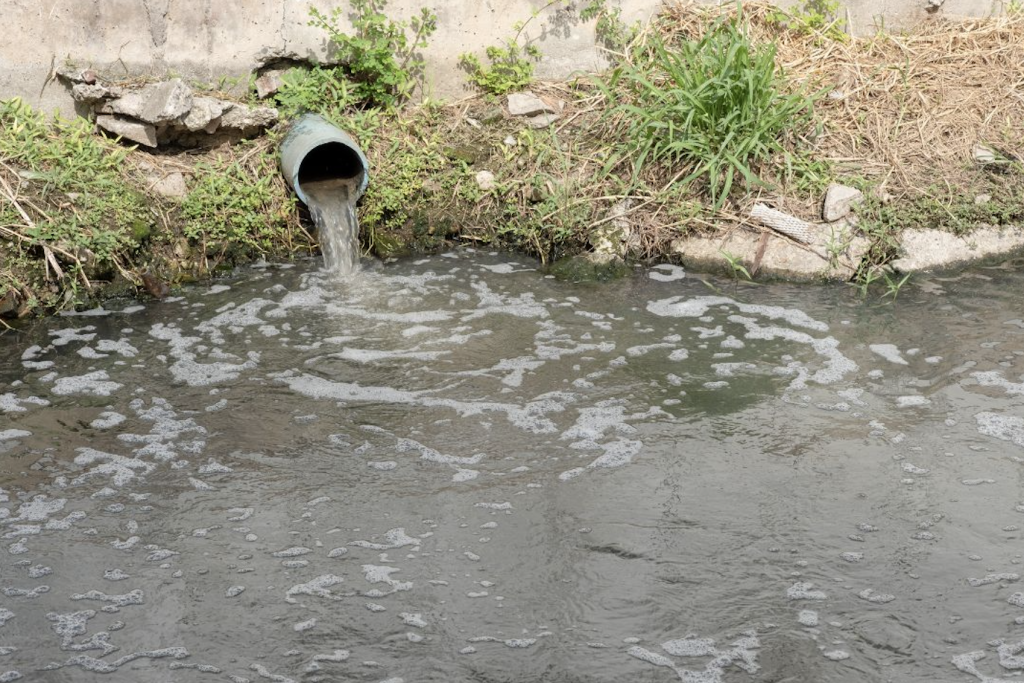
Stormwater compliance is more than a regulatory requirement. It is an essential part of protecting water quality, reducing environmental risk, and avoiding costly enforcement actions. Whether you are managing a construction site, an industrial facility, or a municipal operation, failing to properly manage stormwater can result in significant penalties, project delays, and reputational damage.

Many stormwater violations are preventable and stem from the same recurring issues. Understanding these common mistakes can help your organization strengthen its compliance program and reduce the risk of EPA or state regulatory enforcement.

Under 40 CFR Part 19, EPA’s civil penalty maximums are adjusted for inflation every year. The stormwater figures below reflect the current statutory maximums in effect since January 2025, though actual penalties assessed in any case depend on the violation’s severity, the facility’s compliance history, and its good faith efforts to fix the problem.

Stormwater Violations by the Numbers

$64,618
Maximum daily penalty per Clean Water Act stormwater permit violation (40 CFR Part 19, 2025)
$342,218
Maximum Class II administrative penalty EPA can assess for a single stormwater enforcement action
2,127
Civil enforcement cases concluded by EPA in FY 2025, the highest in nine years
$310,000
Penalty paid in a 2025 EPA settlement over unpermitted industrial stormwater discharges

These maximums apply per violation, per day, so an unresolved SWPPP gap or missed inspection can compound quickly the longer it goes uncorrected. The seven mistakes below account for the overwhelming majority of stormwater deficiencies regulators actually find on site.

7 Mistakes That Lead to Stormwater Violations

Each of these mistakes is common, well documented, and avoidable with the right compliance program in place.

1

Failing to Maintain or Update Your SWPPP

A Stormwater Pollution Prevention Plan (SWPPP) is the foundation of a compliant stormwater program. Many organizations create a SWPPP at the start of a project and never revisit it. Your SWPPP should be reviewed and updated whenever site conditions, drainage patterns, construction activities, or Best Management Practices (BMPs) change. An outdated plan may no longer reflect actual field conditions, increasing the likelihood of violations during an inspection.

How to reduce risk: review your SWPPP regularly and update it whenever operational or site changes occur.

2

Missing Required Stormwater Inspections

Routine inspections are a critical requirement under many stormwater permits. Missed inspections, or inspections that are poorly documented, are among the most common compliance deficiencies identified by regulators. Inspections should verify that erosion and sediment controls remain effective, stormwater controls are functioning properly, and potential pollutant sources are being managed appropriately.

How to reduce risk: develop an inspection schedule, assign responsible personnel, and maintain thorough documentation of all inspections and corrective actions.

3

Poor Maintenance of Best Management Practices (BMPs)

Installing stormwater controls is only the first step. BMPs require routine maintenance to remain effective. Common issues include:

  • Damaged silt fence
  • Sediment-filled inlet protection
  • Clogged sediment basins
  • Failed erosion control blankets
  • Overflowing containment areas
  • Blocked drainage systems

Neglected controls can quickly become ineffective, allowing sediment and pollutants to leave the site.

How to reduce risk: inspect BMPs frequently and repair or replace them as soon as deficiencies are identified.

4

Inadequate Employee Training

Even the best stormwater program depends on employees understanding their responsibilities. Personnel involved with construction, maintenance, inspections, material handling, or spill response should understand:

  • Stormwater permit requirements
  • Site-specific BMPs
  • Spill prevention procedures
  • Inspection responsibilities
  • Proper documentation practices

Without adequate training, small mistakes can quickly become compliance issues.

How to reduce risk: provide initial and refresher training whenever personnel or site activities change.

5

Improper Material Storage and Spill Prevention

Construction materials, chemicals, fuels, oils, and waste products can all become stormwater pollutants if not properly managed. Common problems include:

  • Uncovered material storage
  • Fueling near storm drains
  • Improper waste containers
  • Leaking equipment
  • Lack of secondary containment
  • Poor housekeeping practices

These issues increase the potential for contaminated runoff during rainfall events.

How to reduce risk: store materials under cover whenever possible, maintain spill response supplies, and implement strong housekeeping procedures throughout the site.

6

Incomplete or Missing Documentation

Stormwater compliance isn’t just about what happens in the field. It’s also about maintaining accurate records. During an EPA or state inspection, organizations may be asked to provide SWPPP documentation, inspection reports, corrective action logs, training records, rainfall event documentation, maintenance records, and permit documentation. Incomplete records can result in violations even if field conditions are satisfactory.

How to reduce risk: keep documentation organized, accessible, and up to date throughout the life of the project or permit.

7

Waiting Until an Inspection to Address Problems

One of the biggest mistakes organizations make is treating stormwater compliance as a reactive process. Routine internal audits often identify issues before regulators do, allowing organizations to make corrections proactively and demonstrate a commitment to compliance. Facilities and construction sites that conduct periodic self-assessments are generally better prepared for inspections and more likely to avoid costly enforcement actions.

How to reduce risk: perform periodic compliance audits and address deficiencies as soon as they are identified.

Stormwater Compliance Protects More Than Your Bottom Line

Stormwater compliance requires ongoing attention, not just when permits are issued or inspections are scheduled. Regular reviews of your SWPPP, inspections, BMP maintenance, employee training, and documentation can significantly reduce compliance risk while protecting nearby waterways.

By addressing these common mistakes before they become violations, organizations can improve environmental performance, minimize project disruptions, and maintain regulatory compliance across every site and permit cycle.

The Real Cost of a Violation

Beyond the penalty itself, a single stormwater finding can mean:

  • Mandatory corrective action plans
  • Increased inspection frequency
  • Delayed permits and project timelines
  • Legal and consulting costs
  • Reputational damage with regulators, lenders, and the public

Need Help Strengthening Your Stormwater Compliance Program?

CMI provides comprehensive stormwater compliance services to help organizations meet EPA and state permit requirements with confidence, including SWPPP development and updates, stormwater inspections and compliance audits, NPDES permit support, BMP evaluations, employee training, and corrective action planning.

Related Articles

Health,Safety,Environment

Why Workplace Safety Audits Shouldn’t Be an Annual Event

TEST: Top 10 Most Frequently Cited OSHA Standards

epa-building

5 Environmental Violations That Trigger EPA Penalties

Contact Us
Contact Us

Send Us an Email

Name(Required)