Blog Article

What Your Chemical Labels Are Telling You

When most people hear Hazard Communication, they immediately think of labels and Safety Data Sheets (SDSs). While that’s a great starting point, there’s much more to OSHA’s Hazard Communication Standard than just these two elements. Together, labels and SDSs form the foundation of chemical safety in the workplace, helping employees understand risks and protect themselves from hazardous exposures.

At the core of this system is the Globally Harmonized System (GHS), which standardizes how chemical hazards are classified and communicated across industries. This ensures consistency, clarity, and improved safety no matter where you work.


GHS Labels: Your First Line of Defense

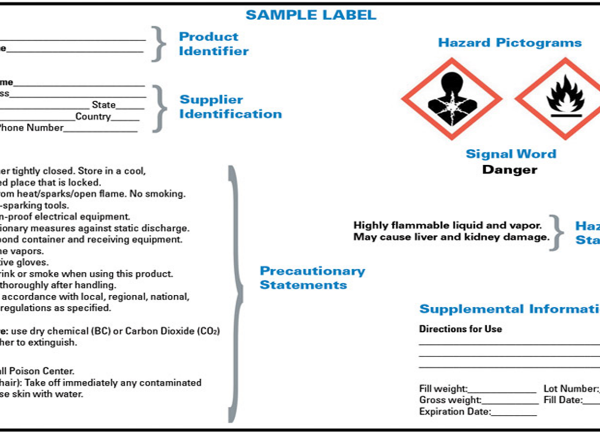
GHS-compliant labels provide a quick, at-a-glance summary of a chemical’s hazards. These labels are required on all containers shipped by manufacturers and must include key information such as:

  • Signal words (e.g., Danger or Warning)
  • Hazard statements
  • Precautionary statements
  • Pictograms
  • Product identifiers

These elements are designed to immediately communicate the level and type of risk associated with a chemical.

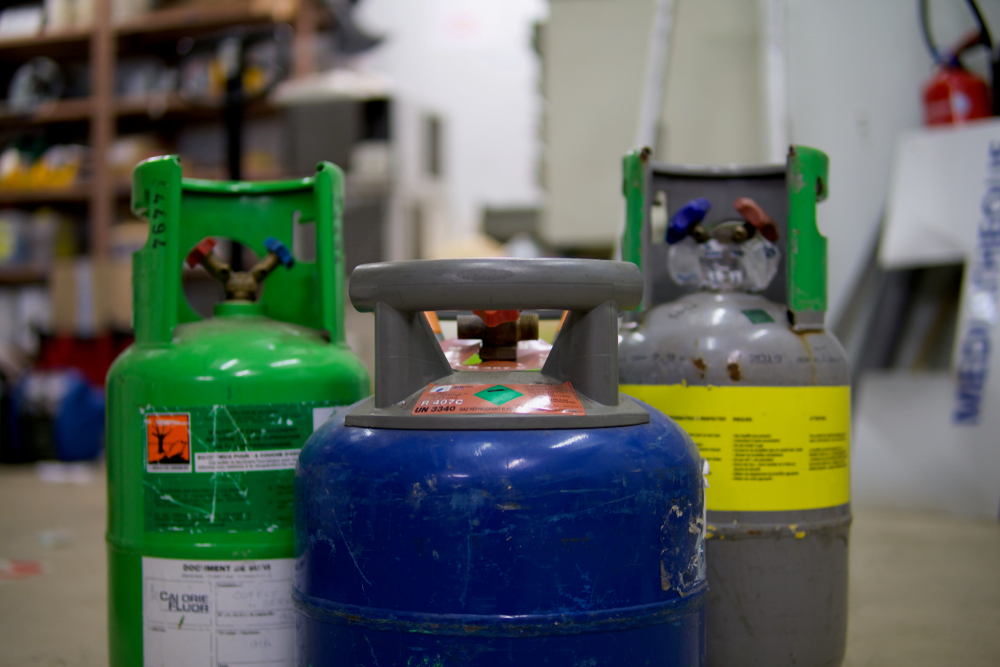
However, safety doesn’t stop at the original container. In many workplaces, chemicals are transferred into secondary containers for daily use. OSHA requires that these containers are also properly labeled. Even if the container is smaller or used temporarily, employees must still be able to clearly identify the chemical and understand its hazards.

Failing to label secondary containers is one of the most common compliance gaps and can lead to serious safety risks.
Safety Data Sheets (SDS): Detailed Chemical Information

While labels provide a quick overview, Safety Data Sheets (SDSs) offer a comprehensive breakdown of each chemical. Every hazardous chemical in the workplace must have a corresponding SDS that is readily accessible to employees.

An SDS includes detailed information such as:

  • Chemical composition
  • Physical and health hazards
  • Safe handling and storage practices
  • Required personal protective equipment (PPE)
  • First aid and emergency response measures

But simply having SDSs on file isn’t enough. Employers are responsible for maintaining an up-to-date SDS library. This means regularly reviewing and updating documents to ensure the most current versions are available.

Outdated or missing SDSs can create confusion during emergencies and may result in OSHA violations.


Hazard Communication Program Requirements

If your workplace uses hazardous chemicals, OSHA requires you to implement a written Hazard Communication Program. This program outlines how your organization communicates chemical hazards to employees and ensures compliance with regulatory requirements.

A complete program should include:

  • A written Hazard Communication policy
  • A chemical inventory list
  • Proper labeling procedures (including secondary containers)
  • SDS management and accessibility
  • Employee training and education


Employee Training: A Critical Component

Even the best program is ineffective without proper training. Employers must provide Hazard Communication training to employees so they understand:

  • How to read and interpret GHS labels
  • How to access and use SDSs
  • The risks associated with chemicals in their workplace
  • Safe handling, storage, and emergency procedures

Training should be conducted at the time of hire, whenever new hazards are introduced, and reinforced regularly to ensure ongoing awareness and compliance.

Why Hazard Communication Matters

An effective Hazard Communication program does more than meet OSHA requirements—it helps:

  • Prevent workplace injuries and illnesses
  • Improve employee awareness and confidence
  • Reduce liability and compliance risks
  • Create a stronger overall safety culture

When employees understand the chemicals they’re working with, they’re better equipped to protect themselves and those around them.


Need Help with Hazard Communication?

Developing and maintaining a compliant Hazard Communication program can be complex, especially as regulations evolve. If your organization needs assistance with Hazard Communication policies, SDS management, or employee training, the team at Compliance Management International (CMI) is here to help.

Instagram
LinkedIn
TikTok

Related Articles

2026 Environmental Policy Shifts

Why Machine Guarding Isn’t Optional

Recent Changes to 40 CFR Part 82

Contact Us
Contact Us

Send Us an Email

Name(Required)